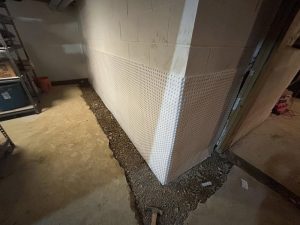
Winter Foundation Repair
Winter Foundation Repair — Why Cold Weather Can’t Wait
 When winter hits Ohio, your foundation is under more stress than at any other time of year. Many homeowners believe foundation repair must wait until spring, but the reality is that cold weather often makes existing issues worse—and delaying repairs can lead to higher costs and more damage.
How Winter Affects Your Foundation
As temperatures drop, moisture in the soil around your home freezes and expands. When it warms up, that same soil contracts. This repeated freeze–thaw cycle causes constant movement around your foundation walls and footers.
Over time, this movement can lead to:
- Cracks in foundation walls
- Bowing or shifting walls
- Uneven floors and sticking doors
- Structural beams losing proper support
If cracks or weak points already exist, winter pressure accelerates the damage.
Why Foundation Problems Get Worse in Cold Weather
Water is the real enemy. Even small cracks allow moisture to enter your foundation. When that moisture freezes, it expands, forcing cracks to grow wider. This cycle repeats all winter long.
Ignoring foundation issues during winter can result in:
- Structural instability
- Costlier repairs later
- Safety risks inside the home
- Reduced property value
Can Foundation Repairs Be Done in Winter?
Yes—many foundation repairs can and should be done during winter, especially when structural stability is involved. Professional crews use specialized methods to work safely in cold conditions and stabilize your home before damage escalates.
Don’t Let Winter Decide for You
Waiting until spring may feel easier, but winter foundation damage doesn’t wait. Early intervention protects your home, your investment, and your peace of mind.