Winter Foundation Waterproofing
 Winter Foundation Waterproofing: Stop the Freeze–Thaw Cycle From Entering Your Basement
Foundation waterproofing is critical during winter. Fall rain, snow melt, and freezing temperatures work together to push water directly toward your foundation. Without proper waterproofing, moisture can enter your basement and create long-term problems.
What Is the Freeze–Thaw Cycle and Why It Matters
The freeze–thaw cycle occurs when moisture in the soil freezes and expands, then thaws and contracts. This constant pressure forces water against your foundation walls and floor joints.
If your foundation isn’t properly waterproofed, water can:
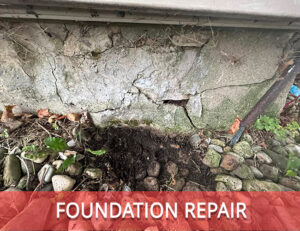
- Enter through wall cracks
- Seep through porous concrete
- Push up through basement floors
- Build hydrostatic pressure behind walls
Common Winter Basement Water Problems
Many homeowners assume basement leaks only happen during heavy rain—but winter water intrusion is extremely common due to:
- Snow melt pooling near the foundation
- Frozen soil trapping water against walls
- Clogged or frozen drainage lines
- Failing sump pump systems
- Poor grading or exterior drainage
Once water enters, it can cause:
- Mold and mildew growth
- Musty odors
- Damage to drywall and insulation
- Higher heating bills
- Frozen or burst pipes
Why Waterproofing in Winter Protects Your Home
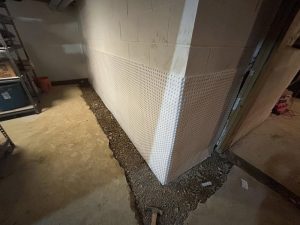
A properly installed waterproofing system controls water before it becomes a problem. Winter foundation waterproofing helps:
- Relieve hydrostatic pressure
- Keep basements dry and warm
- Prevent freeze-related cracking
- Protect indoor air quality
- Preserve structural integrity
Prevent Spring Damage by Waterproofing Now
Many basement leaks discovered in spring actually start during winter. Waterproofing before damage worsens saves money and prevents unnecessary repairs.
AB Choice Construction provides professional foundation waterproofing services across Ohio. Schedule your winter inspection today and protect your home year-round.